Behavior tools that work.
For parents and for the clinics that serve them.
Building Blocks for Better Behavior trains pediatric clinics and parents in the behavioral strategies that reduce tantrums, defiance, and daily power struggles in children ages 2 to 7. Clinics can offer it as a billable service. Parents can start using them tonight.
Who is Building Blocks for?
Two audiences, one set of evidence-based strategies. Whether you're raising a young child or caring for a waiting room full of them, the tools are the same.
Parents & Caregivers
You're managing meltdowns, refusals, and the same argument every single morning. Building Blocks gives you the strategies a therapist would teach you, in plain language, at your own pace, without a waitlist.
- Free workbook to start
- Self-paced course
- Monthly live Q&A
Pediatric Providers & Clinics
Parents bring behavior concerns to you, and there's nowhere good to send them. We train your providers and hand them tools they can use during behavioral visits, no new program to run, no families to enroll.
- 3-hour staff training for your team
- Provider scripts and session guides
- All parent materials in English and Spanish
Do clinics have to run this as a program?
No. Building Blocks is a set of tools your providers own, not a program families sign up for.
There are four core tools: connection, clear directions, calm discipline, and daily routines. A provider can use one of them in a single visit, or walk a family through all four over a few visits. It's their call, in the moment, based on what the family in front of them needs.
- No enrollment
- No fixed timeline
- No separate program for your staff to administer
Most strategies teach kids to comply. The best ones teach them to connect.
Every tool draws on three foundations — attachment theory, social learning theory, and behavioral parent training — the evidence base the field's most established parent programs are built on, with the parent-child relationship kept at the center.
Connection before correction
Labeled praise builds the behavior you want far more reliably than generic encouragement. Everything else rests on this one.
Clear, effective directions
Small changes in how a direction is given resolve most noncompliance, without yelling, and without repeating yourself five times.
Calm, consistent discipline
A calm, predictable response changes behavior more than a severe one. Consistency is the active ingredient.
Skills in daily routines
Mornings, meals, bedtime, transitions. Strategies only count if they hold up in the parts of the day that are actually hard.
Why we built this
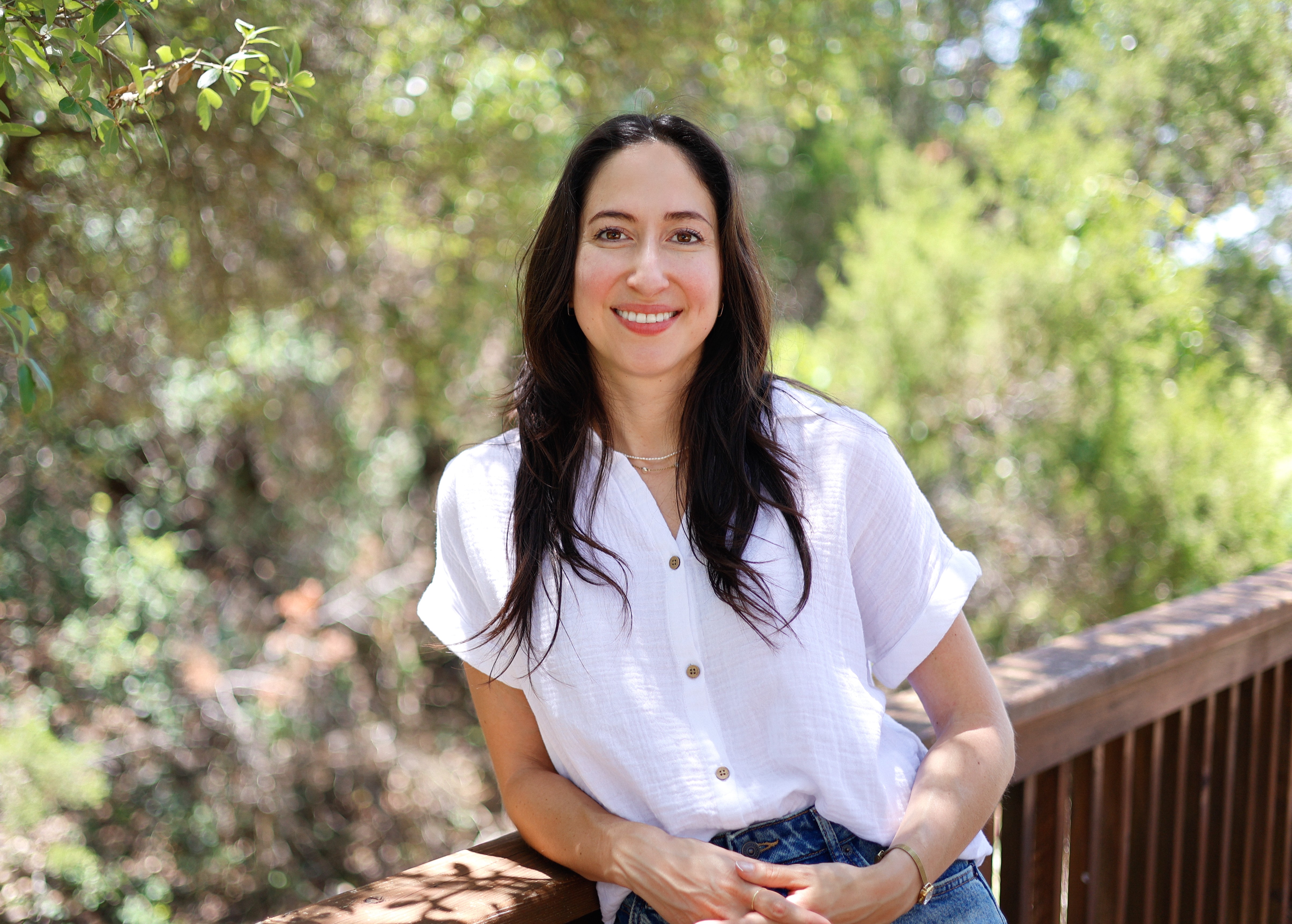
For ten years I sat with families and watched the same handful of skills change how a household ran. Not big interventions, but the small things: how you praise, how you give a direction, how you respond when a child tests it. Then I'd speak with another family and tell them the wait was three months.
The strategies aren't a secret. But waitlists and hourly rates keep them from most parents, and pediatric providers who want to help have no structured way to teach them in the time a visit actually allows.
Peter Clauter, a board-certified psychiatric nurse practitioner, co-founded Building Blocks with me. He'd been hitting the same wall from the other side: families coming in for medication when what they needed was parent training.
The other thing my ten years taught me: the families struggling hardest usually weren't missing discipline strategies. They were missing connection. That's what we built it around.
What people ask first
Quick answers to what parents and clinics ask first.
What is Building Blocks for Better Behavior?
Who is Building Blocks for?
Do clinics have to enroll families in a program?
What ages does Building Blocks work for?
Do you work with clinics outside of Austin?
Where would you like to start?
Whether you're raising a young child or caring for a waiting room full of them, the strategies are the same. Pick the door that fits.